Ecology
Three centuries after "The Fall" devastated the Earth, the Upper Midwest—now fractured into baronies and wildlands—is a land scarred but stubbornly alive. Initially plunged into prolonged darkness and a mass extinction event, the region has undergone a painful ecological rebirth.
Climate Stabilization |
||
| By the 2200s, the chaotic weather patterns caused by "The Fall" had gradually stabilized. Summers are short and hot, winters long and erratic, and violent storms still mark seasonal transitions. | ||
 |
 |
 |
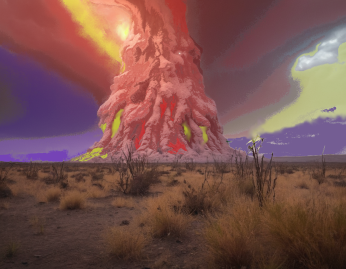
| Dust storm lifting dust, sand, and mutagenic material into the air. | A dust storm lifted dust, sand, and mutagenic material into the air, and giant grasshoppers fled from the storm. | A dust storm covers the horizon. |
 |
 |
 |
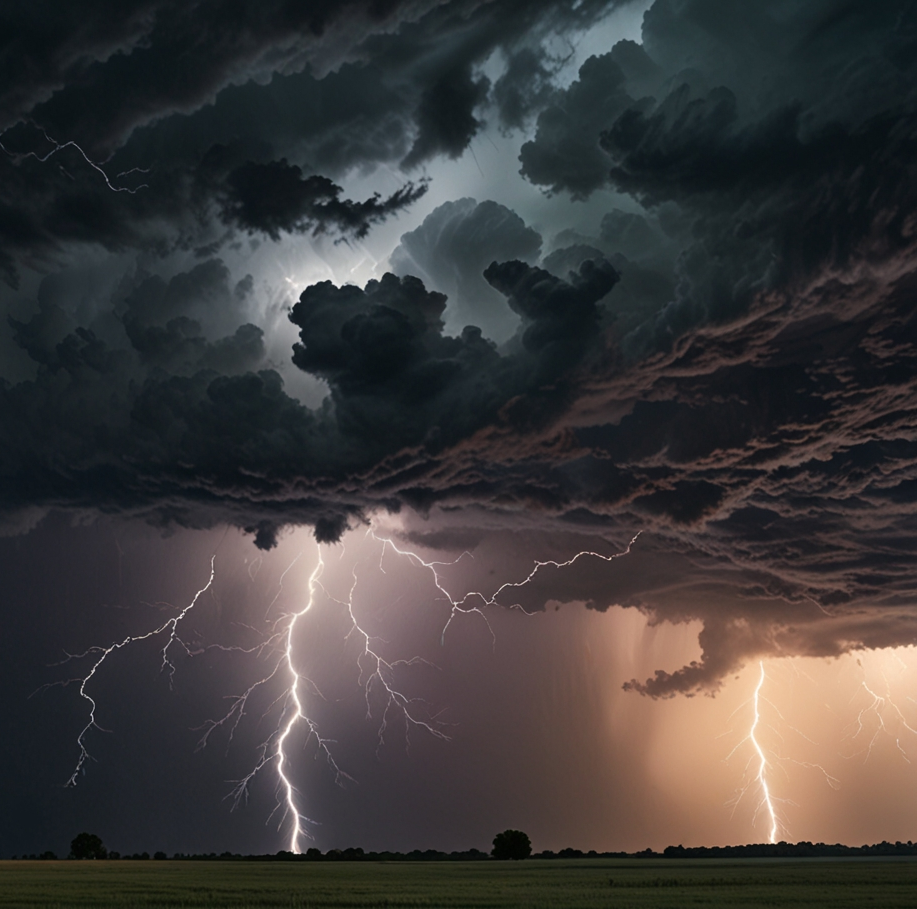
| Giant thunderstorms roar across the open landscape. | Giant thunderstorms with lightning strikes happening every few seconds as the storm moves across the open landscape. | Thunder snowstorms occur in mid-May with regularity. |
Mutated Biomes |
||||
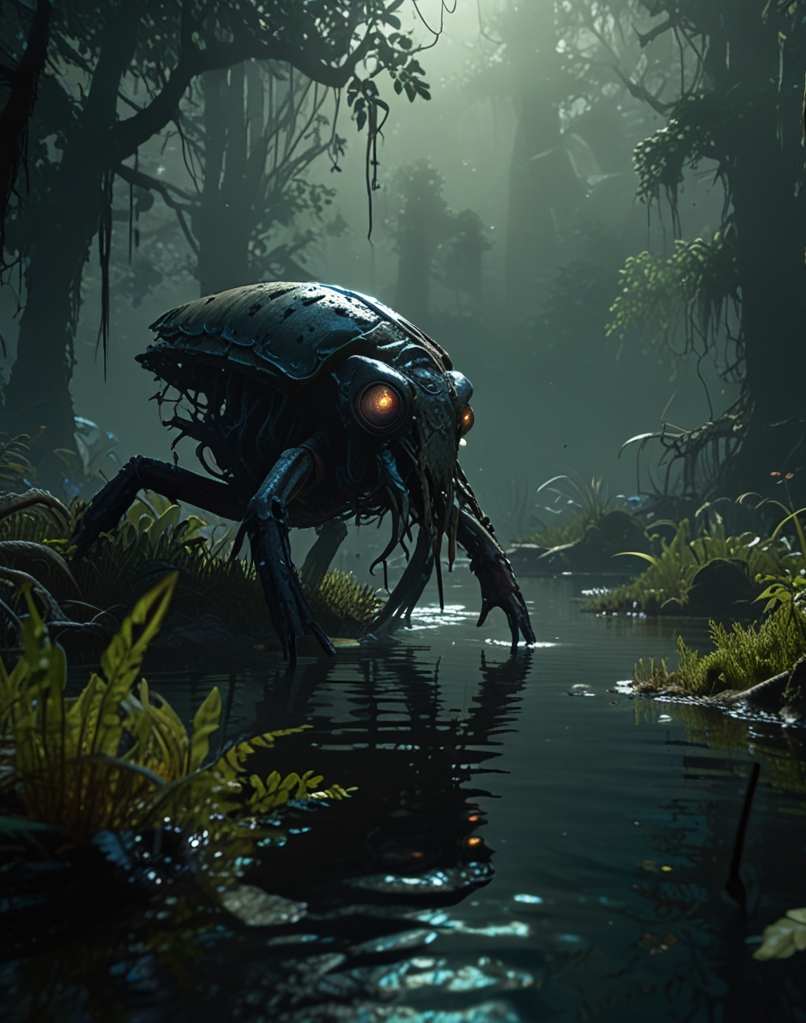
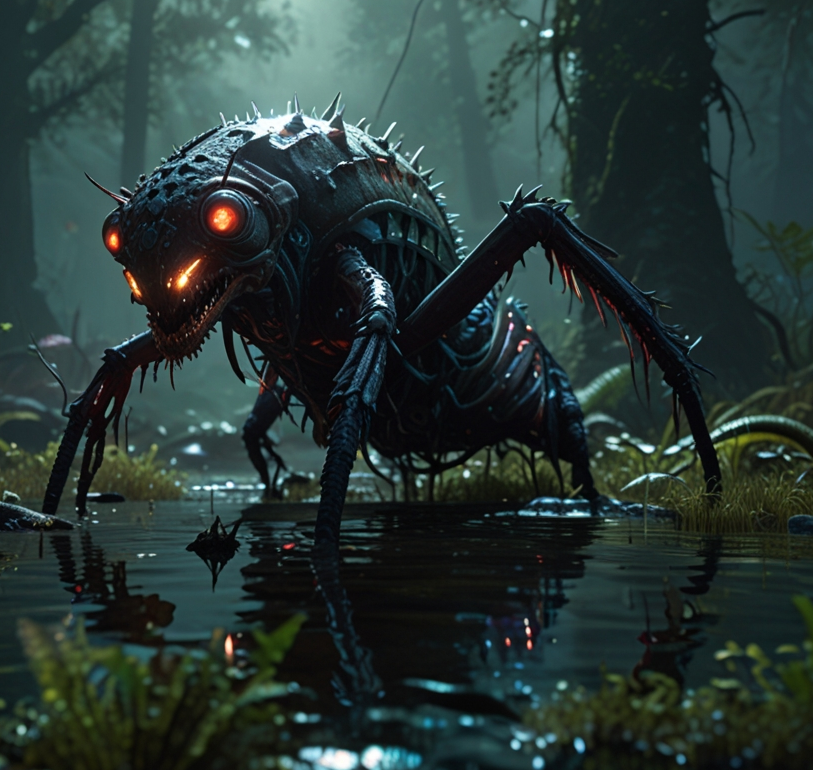
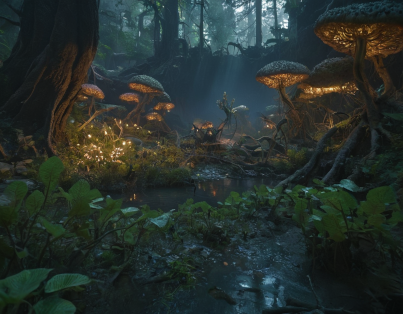
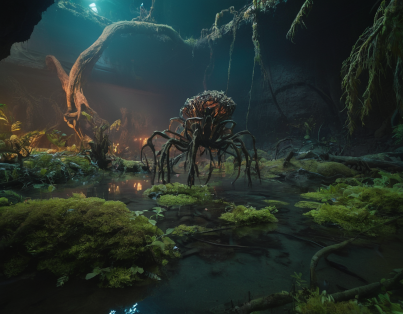
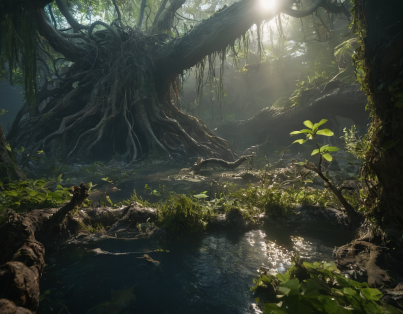
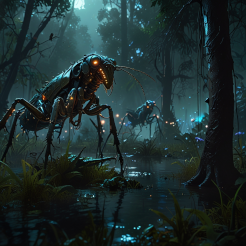
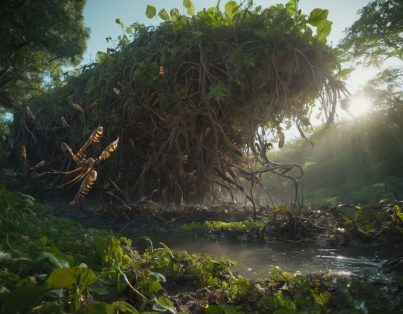
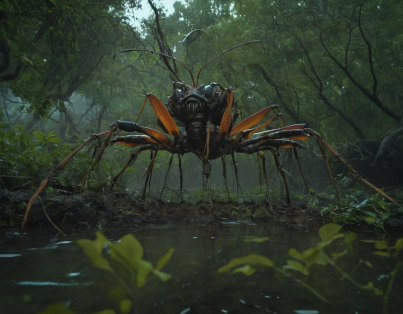
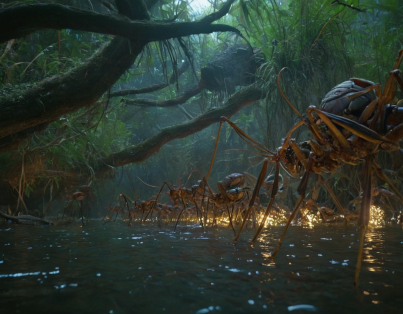
| New hyper-adaptive invertebrates, amphibians, and plants have overrun forests and riverbanks. Gigantic fungal blooms, bio-luminescent weeds, and predatory insects mark the untamed zones between settlements. | ||||
 |
 |
 |
 |
 |
 |
 |
 |
 |
 |
Contaminated Zones |
||
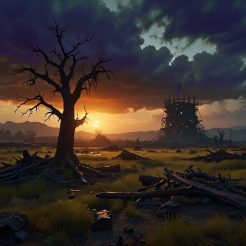
| The “Burned Hollows” are avoided even by mutants and scavengers and are often believed to be cursed or haunted. They are known to be infested with mutated beasts. | ||
 |
 |
 |
 |
 |
 |
Resource Fragmentation: Clean water, fertile soil, and untainted metals are precious. Aquifers like those near Clearwater or river-fed zones like Riverbend are strategic goldmines.